In-Person vs Online CPR Training
In-Person vs Online CPR Training: Which Actually Saves Lives? (Michigan Study Results)
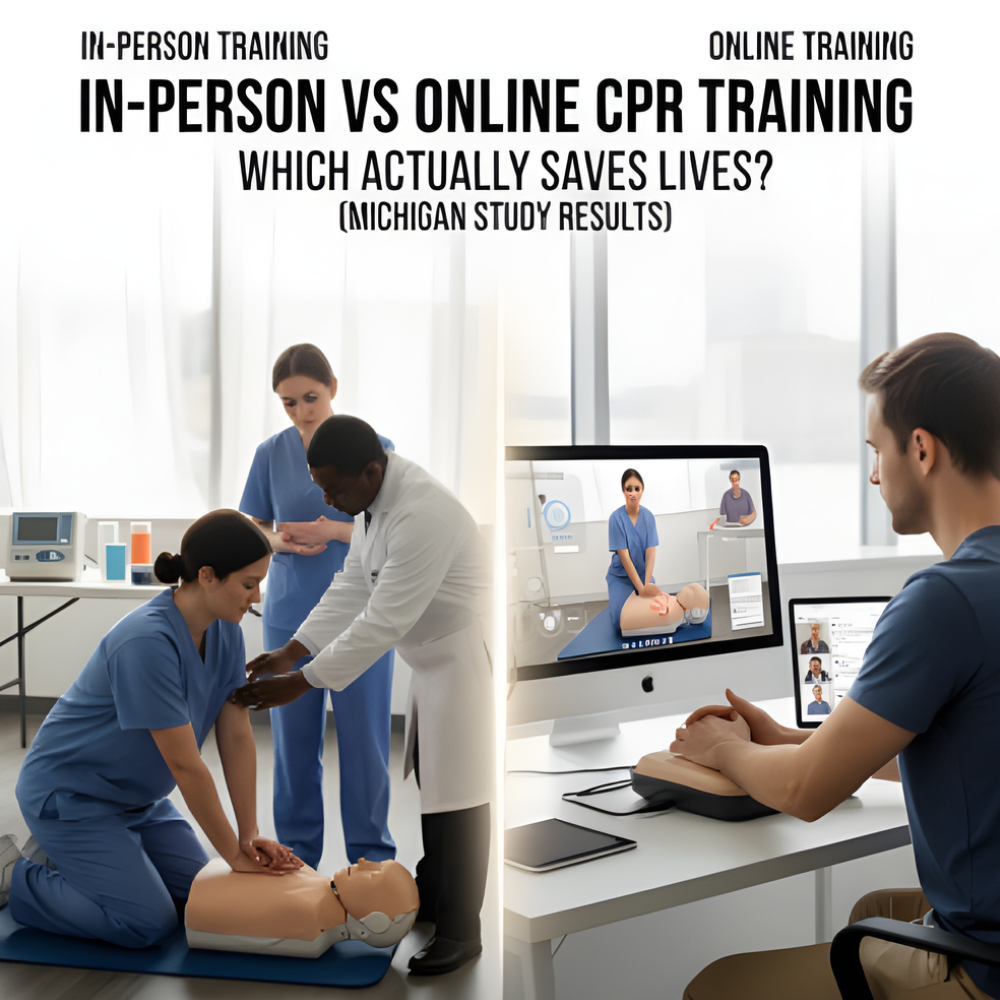
When every second counts and a life hangs in the balance, your CPR training method could mean the difference between life and death. You've probably wondered: does it matter whether you learn CPR online from your couch or in person with an instructor? The answer might surprise you, and recent research reveals critical insights that every Michigan resident needs to know.
The Great Training Debate: What the Data Actually Shows
Here's the truth: while no single "Michigan study" definitively proves which method saves more lives, comprehensive research from across the healthcare training industry reveals fascinating patterns about how we learn life-saving skills. Let's dive into what really matters when you're choosing your CPR certification path.
A groundbreaking comparative study found that online-only CPR training performs remarkably well for knowledge acquisition: it's actually "not inferior" to traditional classroom-based methods when measuring educational outcomes. This means your brain absorbs CPR concepts just as effectively whether you're learning from a screen or an instructor. But here's where it gets interesting: the online group needed significantly more retakes to reach the same performance standards.
Knowledge vs. Confidence: The Critical Gap
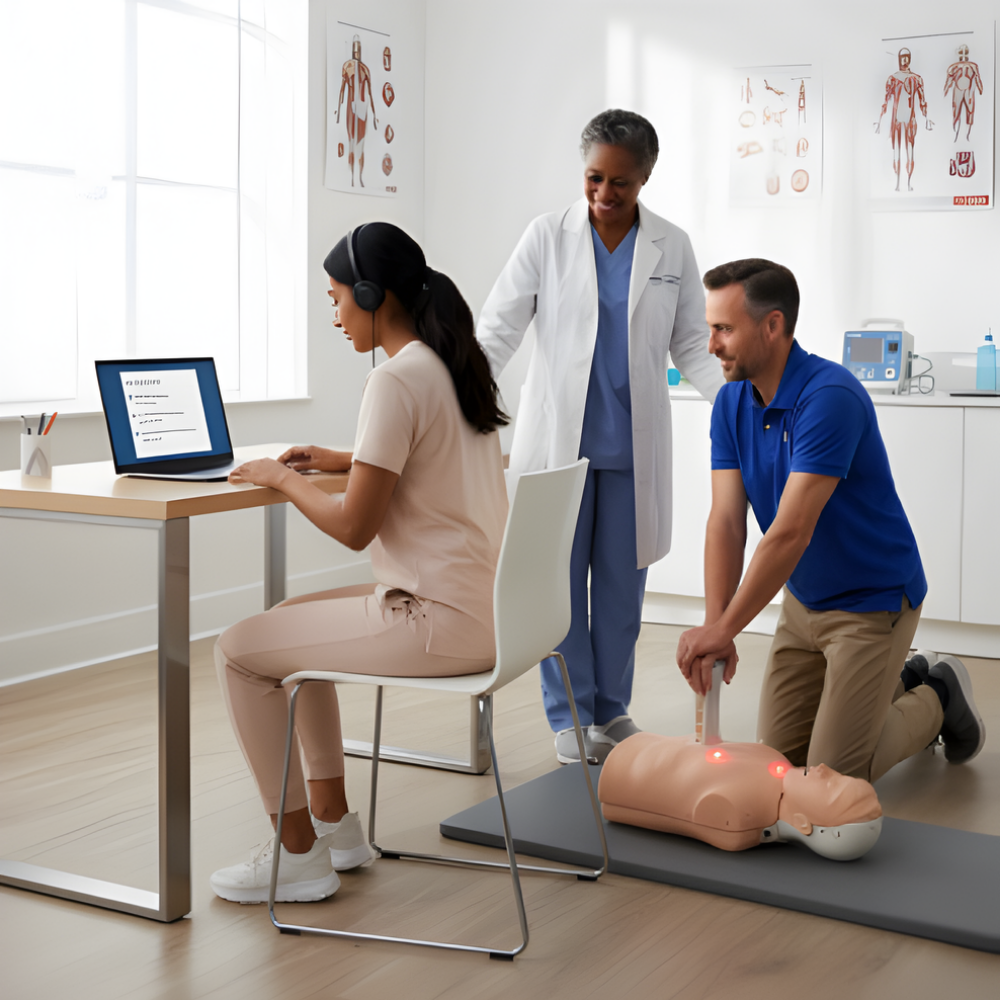
Learning CPR facts is one thing: feeling confident enough to use them when someone's life depends on it is entirely different. This is where in-person training starts to shine with undeniable advantages.
Research tracking participants six months after certification revealed a striking difference in real-world confidence. Among those trained face-to-face, an impressive 81% expressed willingness to perform CPR on a stranger during an emergency. Compare that to just 71% of those trained virtually: a 10-point gap that could translate to lives saved in our communities.
Why does this confidence gap exist? When you practice CPR in person, you experience the physical resistance of chest compressions, feel the proper hand placement, and receive immediate feedback from expert instructors. Your muscle memory develops through repetition with real equipment, not just mental visualization.
The Hands-On Reality Check
Here's where online training hits a fundamental limitation: it cannot verify that you can actually perform CPR correctly. Online certificates prove you understand CPR concepts, but in-person certificates confirm you can execute life-saving techniques under pressure.
This distinction matters enormously to employers, schools, and healthcare facilities. They need assurance that their certified staff can deliver effective CPR when seconds count. That's why Michigan requirements specify that online training must include an in-person skills assessment: the state recognizes that virtual demonstrations cannot replace hands-on verification.
Michigan's Smart Approach to CPR Standards
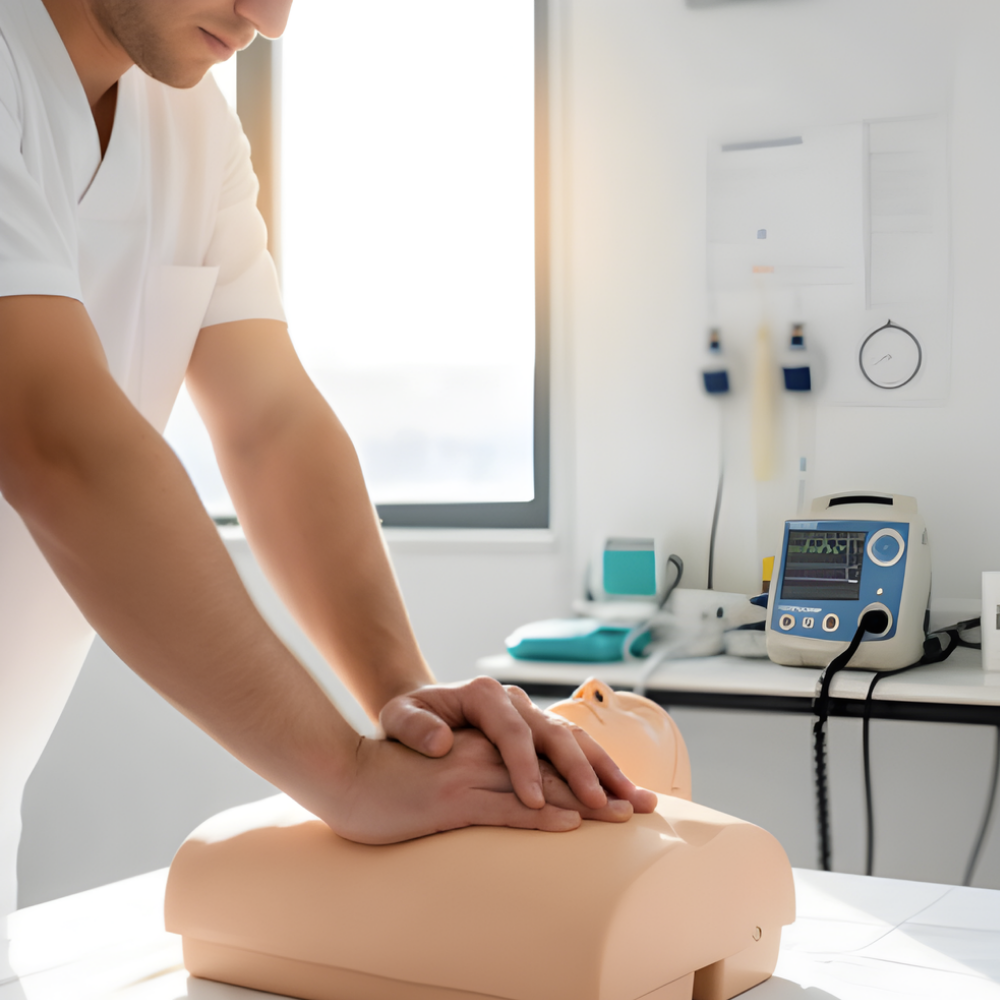
Michigan takes CPR training seriously, and the state's requirements reflect evidence-based best practices. Even when initial training happens online, Michigan mandates completion of hands-on skills testing with certified instructors. This hybrid approach recognizes the convenience of online learning while ensuring practical competency.
Our state's emphasis on verified skills makes perfect sense. When you're performing CPR in a real emergency, you need confidence that comes from muscle memory, not just theoretical knowledge. Your hands need to know exactly how deep to compress, how fast to push, and how to coordinate with rescue breathing.
The Convenience Factor: Does Easy Equal Effective?
Online CPR training offers undeniable convenience: learn at your own pace, revisit difficult concepts, and complete certification around your schedule. These advantages make CPR education accessible to more people, which absolutely benefits our communities.
However, convenience shouldn't overshadow effectiveness. Research shows that students in online only programs often need multiple attempts to demonstrate competency, suggesting that self-directed learning may not be optimal for mastering complex psychomotor skills like CPR.
Real-World Performance: Where Training Meets emergency
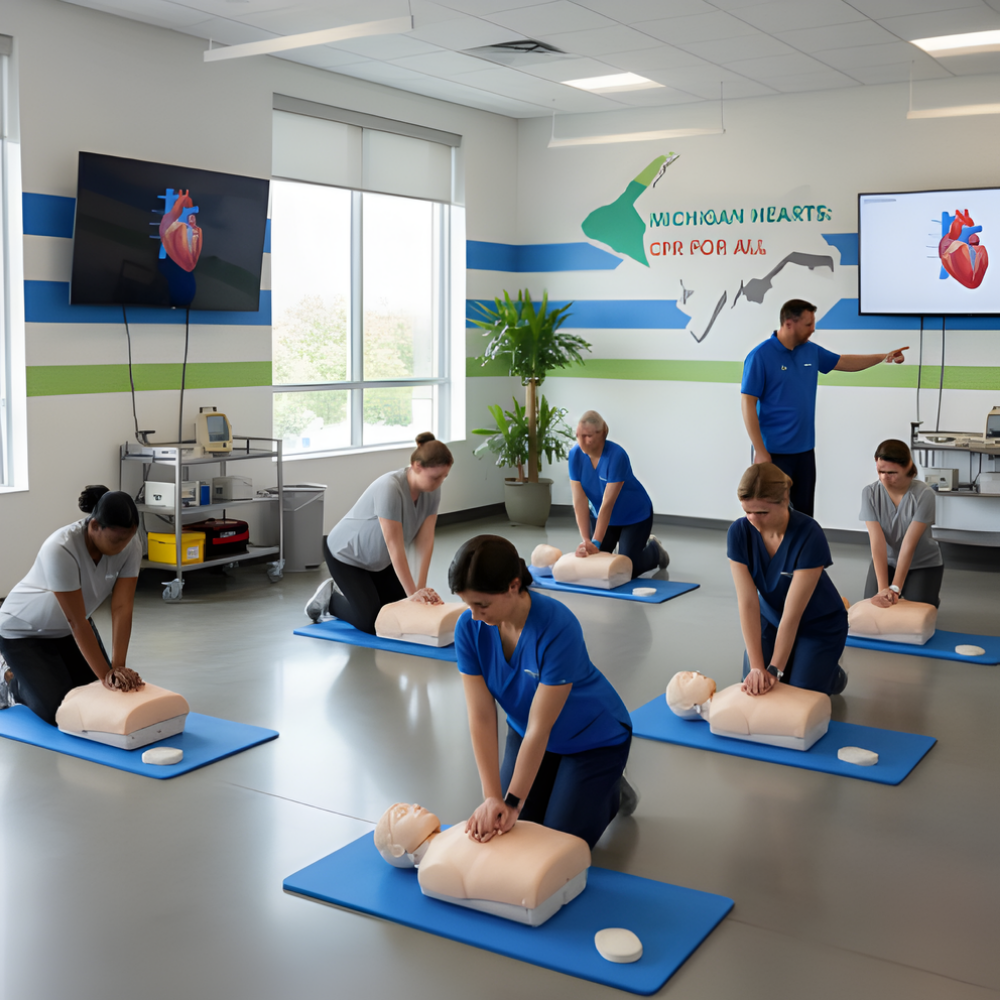
The ultimate test of any CPR training isn't passing a written exam: it's performing effective chest compressions and rescue breathing when someone's heart stops beating. This is where the training method you choose makes its biggest impact.
Studies analyzing actual CPR performance in emergency situations reveal that hands-on practice with immediate instructor feedback produces more consistent, effective technique. When you've practiced on real manikins with proper resistance, felt the correct compression depth, and received real-time coaching, you're prepared for the physical demands of real CPR.
In-person training also addresses the psychological preparation needed for emergencies. Many people freeze when confronted with a cardiac arrest situation, but those who have practiced in realistic scenarios with instructor guidance show greater willingness to act decisively.
The Social Learning Advantage
Training alongside other students creates powerful learning experiences that online platforms cannot replicate. You observe different techniques, learn from others' questions, and build confidence through group practice. This collaborative environment mirrors real emergency situations where multiple people may assist with CPR efforts.
Instructors can identify and correct subtle technique errors that video-based training might miss. They provide personalized feedback, answer specific questions, and adapt instruction to individual learning needs: advantages that significantly improve skill retention and application.
Quality Matters More Than Method
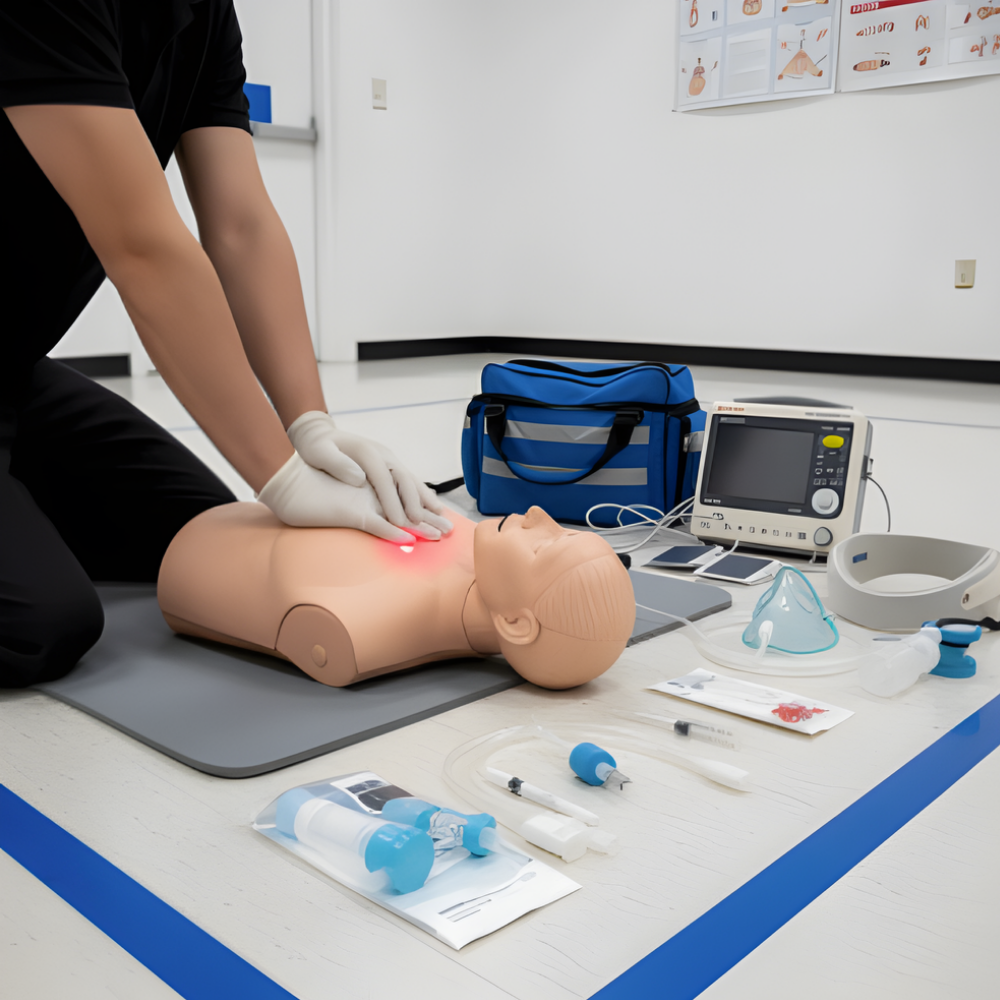
Whether you choose online or in-person training, the quality of instruction makes the crucial difference. Look for programs that provide:
- Current guidelines based on latest American Heart Association standards
- Comprehensive hands-on practice opportunities
- Expert instructors with real emergency experience
- Skills verification through practical assessments
- Ongoing support and refresher training options
At Vital Hands CPR, we've witnessed firsthand how quality instruction transforms ordinary people into confident lifesavers. Our students don't just earn certifications: they develop life-saving capabilities they'll carry with confidence throughout their communities.
The Hybrid Revolution: Best of Both Worlds
The most effective CPR training programs now combine online theoretical learning with in-person skills practice. This hybrid approach maximizes convenience while ensuring hands-on competency verification.
Students complete knowledge-based learning online at their own pace, then attend focused skills sessions for hands-on practice and certification. This model reduces time commitment while maintaining the critical elements that build real-world confidence and capability.
Which Method Actually Saves Lives?
Here's our evidence-based conclusion: in-person CPR training with hands-on practice produces more confident, capable responders who are significantly more likely to perform CPR in actual emergencies. While online training effectively delivers theoretical knowledge, it cannot replicate the physical practice and confidence-building that happens with expert instruction and real equipment.
The 10% difference in willingness to perform CPR between in-person and virtual training groups translates to real lives in our communities. When you multiply that across thousands of trained individuals, the impact becomes substantial.
Your Next Step Toward Life-Saving Confidence
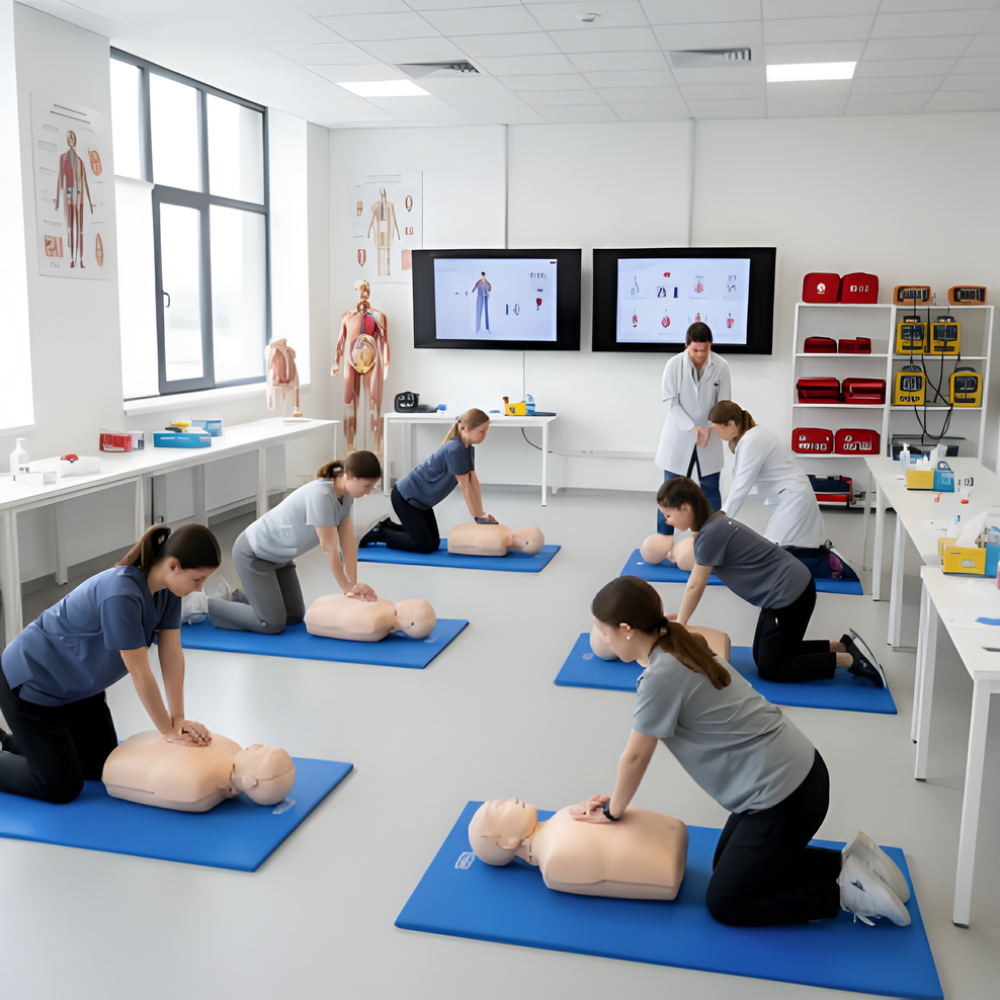
Ready to join the ranks of confident lifesavers in your community? Don't settle for training that leaves you wondering if you could really perform CPR when it matters most. Choose comprehensive, hands-on instruction that builds genuine capability and confidence.
At Vital Hands CPR, we empower Michigan residents with the skills and confidence to act decisively in emergencies. Our expert instructors ensure you'll leave class ready to save lives, not just pass tests. We serve communities throughout Michigan, from Grand Rapids to Traverse City, bringing professional CPR training directly to your area.
Transform yourself into a beacon of hope in your community. When someone's heart stops beating near you, you'll have the knowledge, skills, and confidence to be their lifeline. That's the power of proper CPR training: and that's the difference between knowing CPR and being ready to save a life.
Contact Vital Hands CPR today to discover how our hands-on training approach will equip you with unshakeable confidence in life-or-death moments. Your community needs prepared heroes (will you answer the call?)